
Herengracht and Keizersgracht at a glance
The Herengracht and the Keizersgracht are two of the three main canals of the Amsterdam canal ring. Both were planned as representative residential canals, where wealthy merchants and senior officials built large houses. Work on the Herengracht began in 1613 and on the Keizersgracht in 1615.
The stretch everyone mentions is the Golden Bend, which belongs to the Herengracht, not to the Keizersgracht. It is known for especially large city palaces. Trade and traffic were organised in the cross streets as well.
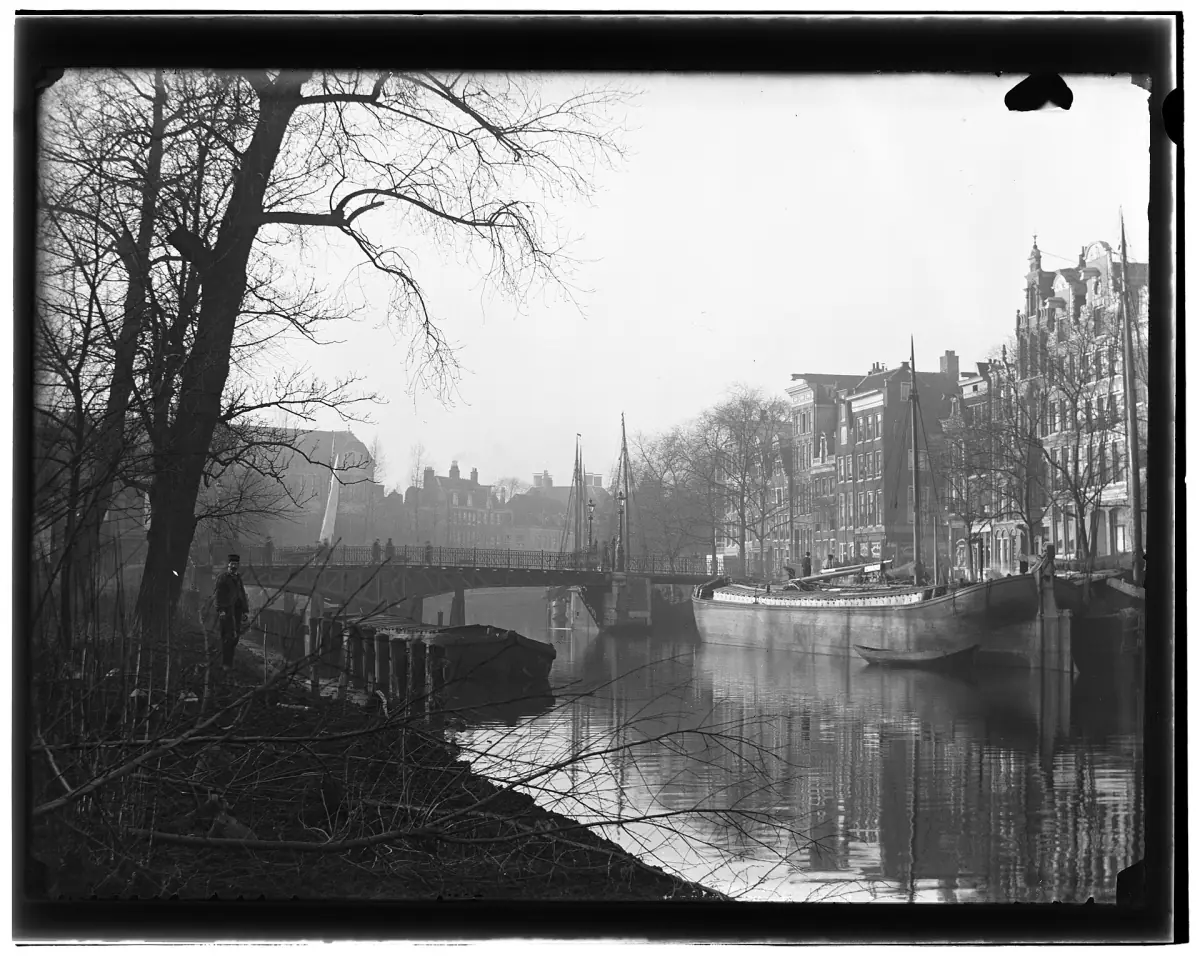
The Golden Bend on the Herengracht
Where the large houses stand, and where the edges lie.
The Golden Bend is usually placed between the Vijzelstraat and the Leidsestraat. Some descriptions place it more widely, from the Koningsplein to the Vijzelgracht. So treat the Golden Bend as a stretch with soft edges, not a line on a map, and expect the ends to be placed slightly differently.
What you see from the street is a facade. Do not count on seeing the gardens or interiors of the merchant houses, so look, take photos from the pavement and keep the noise down.
If you want the bigger picture first, start with the canal ring, which explains how the canals were planned.
Our pick: a cruise past the Herengracht
The route of this covered saloon boat includes the Herengracht, with live commentary.
Hand-picked tours, booked through GetYourGuide. Prices are indicative starting prices in euros (as of October 2026). Tap a tour for live availability and the current price in your currency.
Herengracht and Keizersgracht cruises and walks
Canal cruises and walking tours along the Herengracht and Keizersgracht, with live prices and availability.
Keizersgracht: the middle canal
Planned with the same grand idea as the Herengracht.
Planned for large houses
Like the Herengracht, the Keizersgracht was planned as a residential canal for people with money. Work began in 1615.
Not the Golden Bend
The Golden Bend is part of the Herengracht. Do not look for it on the Keizersgracht, and do not mix the two canals up when you read a map.
The third main canal
The third main canal, the Prinsengracht, has more warehouse buildings than these two.
Merchant houses and the wealth behind them
A short, honest look at where the money came from.
The canal houses were built by merchants and high officials. The capital behind the large houses is linked to trade in cocoa, sugar, coffee and tobacco from plantations that relied on enslaved workers. That does not mean every house was paid for by one plantation fortune or one slave trader, and it is better not to say so about a single address. It does mean that the grandeur of these canals belongs to a wider story, which you can follow in the history of the canals.
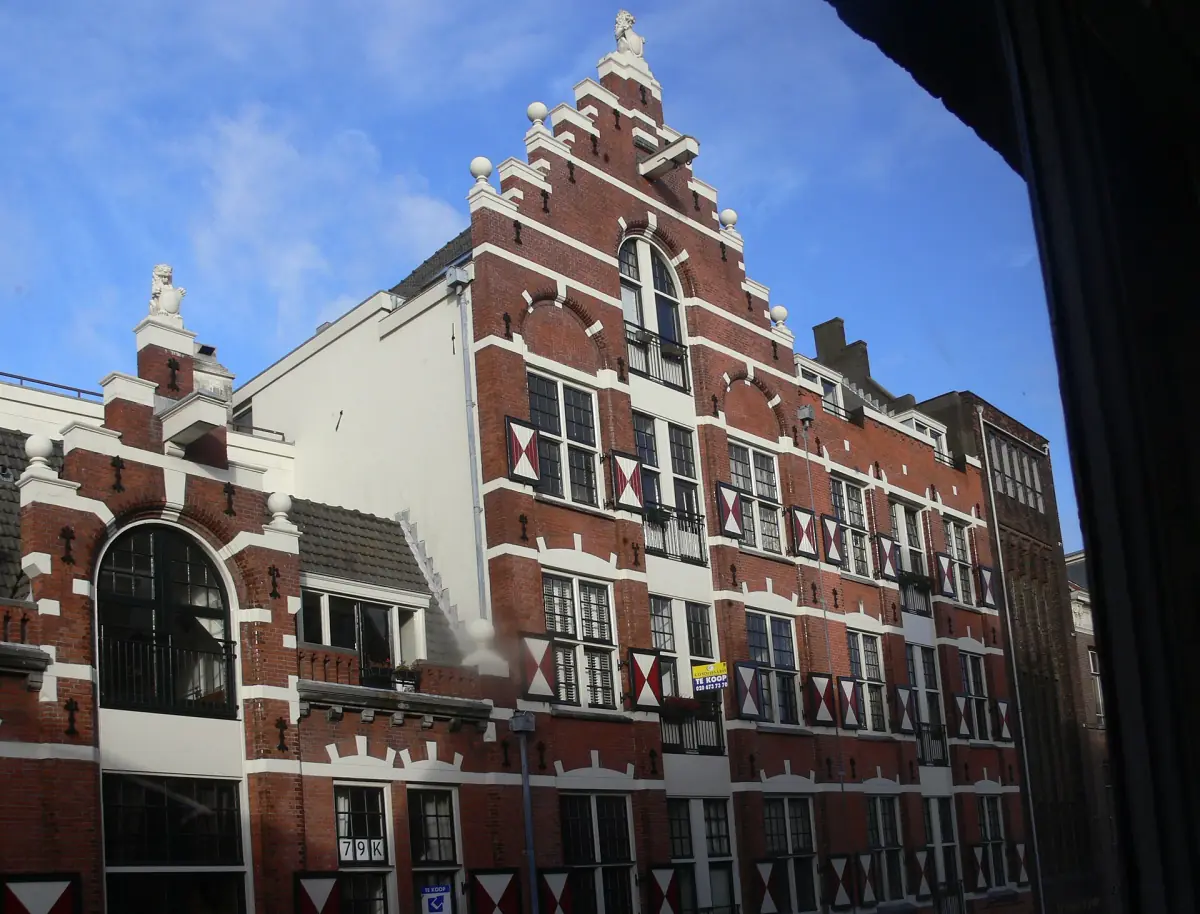
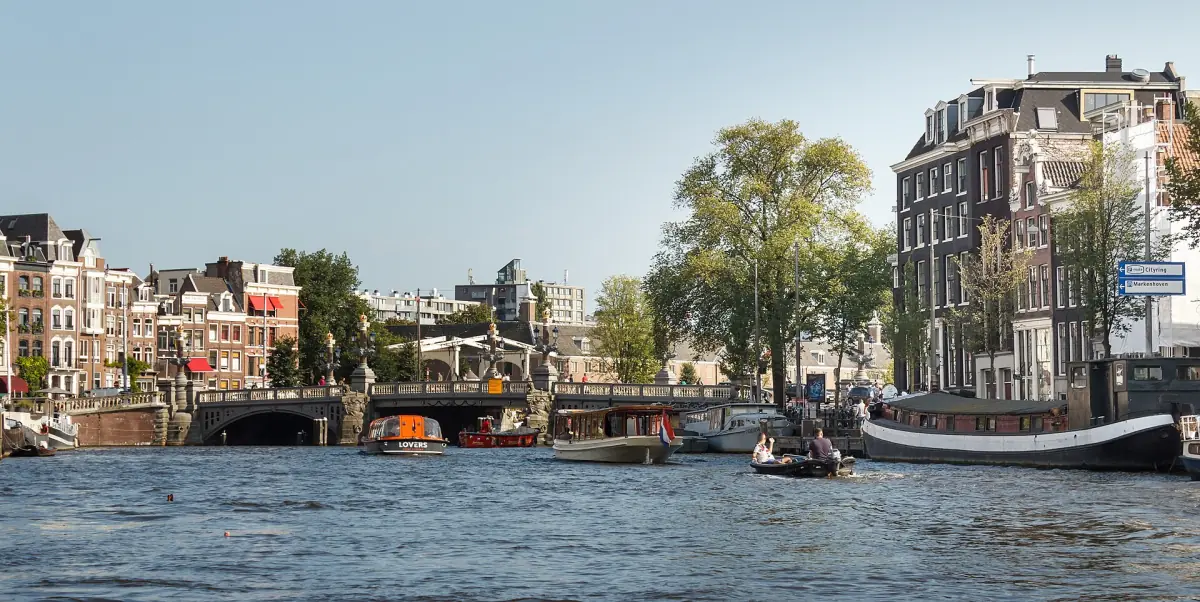
Walking the Herengracht, you will see tall facades, gables and bridges. For an explanation of the shapes, read about canal houses. The bridges over these canals have their own page too, see bridges.
Boating rules on the two canals
If you steer a boat yourself, these rules apply.
Speed and side
The usual limit is 6 km/h, and you keep to the right. Boats under 20 m give way to longer ships.
Mooring
You need a vignette to moor. Do not tie up to trees or bridge railings, and keep passages and rescue access clear.
Noise and alcohol
No music and no disturbing noise. The city asks the skipper not to drink alcohol, and the legal limit for the blood alcohol of a skipper is 0.5 per mille.
The full rules, licence thresholds and group limits are on the boat rental page.
How to see the Herengracht and Keizersgracht
On foot, by day cruise or by evening cruise.
| Way | What you get | Price 2026 |
|---|---|---|
| Walk both canals | Facades, gables and bridges up close, at your own pace | No ticket |
| Day cruise | A 75-minute trip with a view of the facades from the water | From €18.50 |
| Evening cruise | A 90-minute trip when the houses are lit | From €20.80 |
| Self-drive electric boat for up to 6 people | 2 hours at your own pace | €79 for 2 hours, €69 in the morning |
The city adds an entertainment tax of €2.70 per passenger on motorised boat trips, and some offers show it separately. For most visitors, a walk along the Herengracht followed by a boat trip on the Keizersgracht side of town gives a good view of the houses. See the canal cruise page for boat types and the boat rental page for the rules if you want to steer yourself.
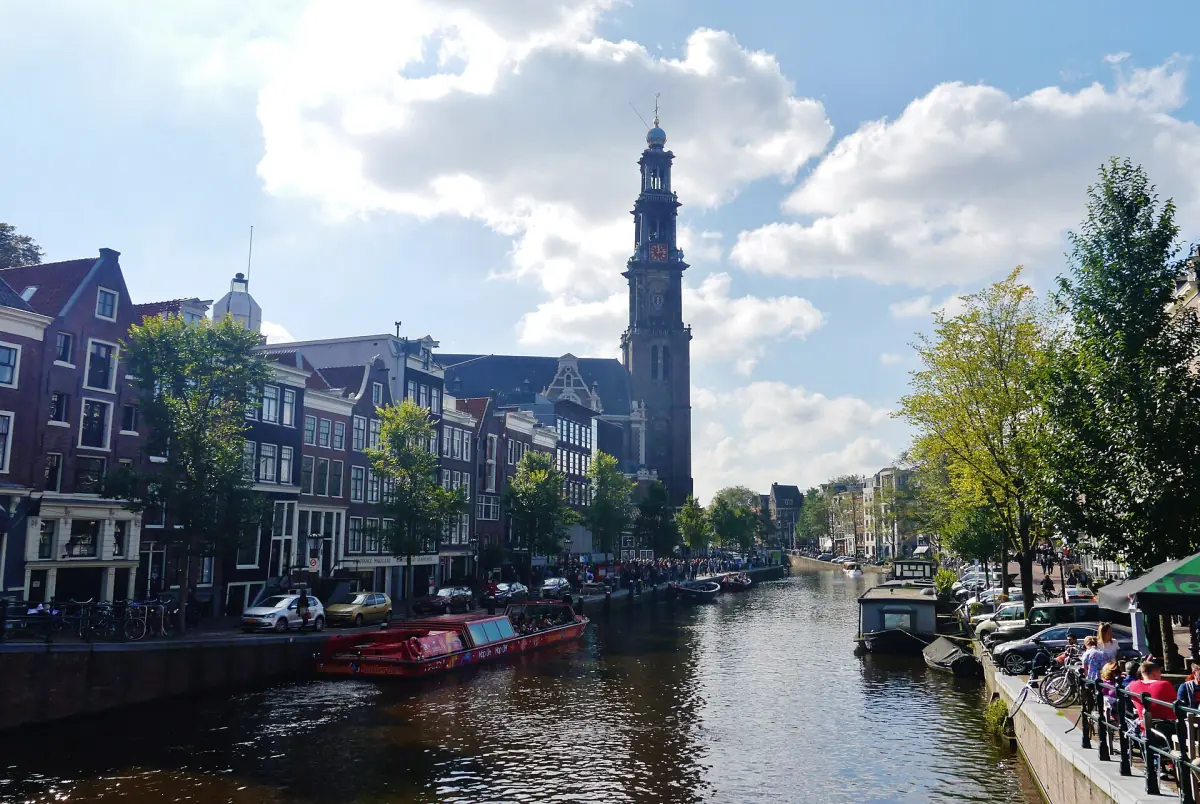
Herengracht and Keizersgracht: frequently asked questions
What is the Golden Bend?
It is a stretch of the Herengracht with especially large city palaces. It is usually placed between the Vijzelstraat and the Leidsestraat, and a wider description runs from the Koningsplein to the Vijzelgracht.
Is the Golden Bend on the Keizersgracht?
No. It belongs to the Herengracht.
Can I go inside the merchant houses or into their gardens?
Do not count on it. Look at the facades from the pavement or from a boat, and keep the noise down out of respect for the people who live and work there.
When were the two canals built?
Work on the Herengracht began in 1613 and on the Keizersgracht in 1615, as part of the 17th-century canal ring.
What is the difference between the Herengracht and the Prinsengracht?
The Herengracht was planned as a grand residential canal. The Prinsengracht has more warehouse buildings with pointed gables.