
Amsterdam canal houses at a glance
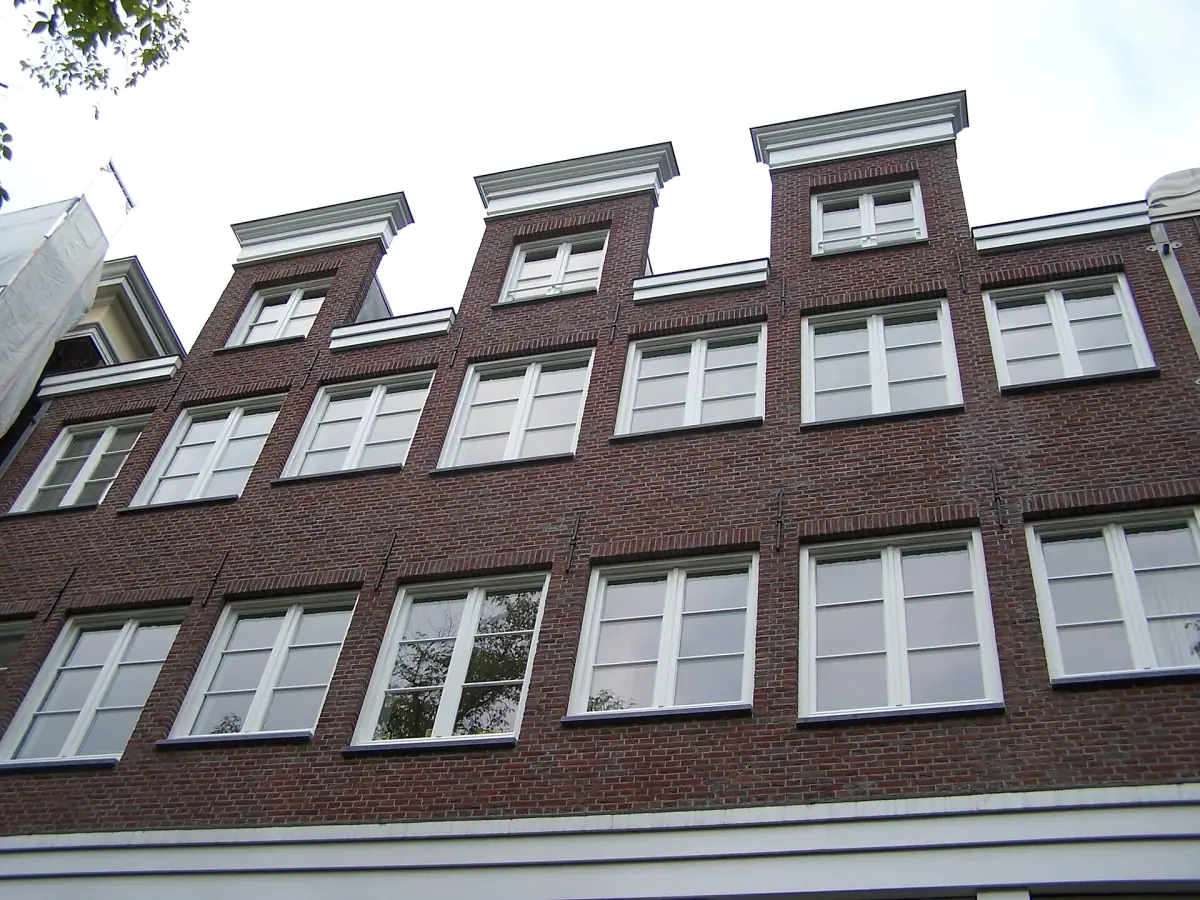
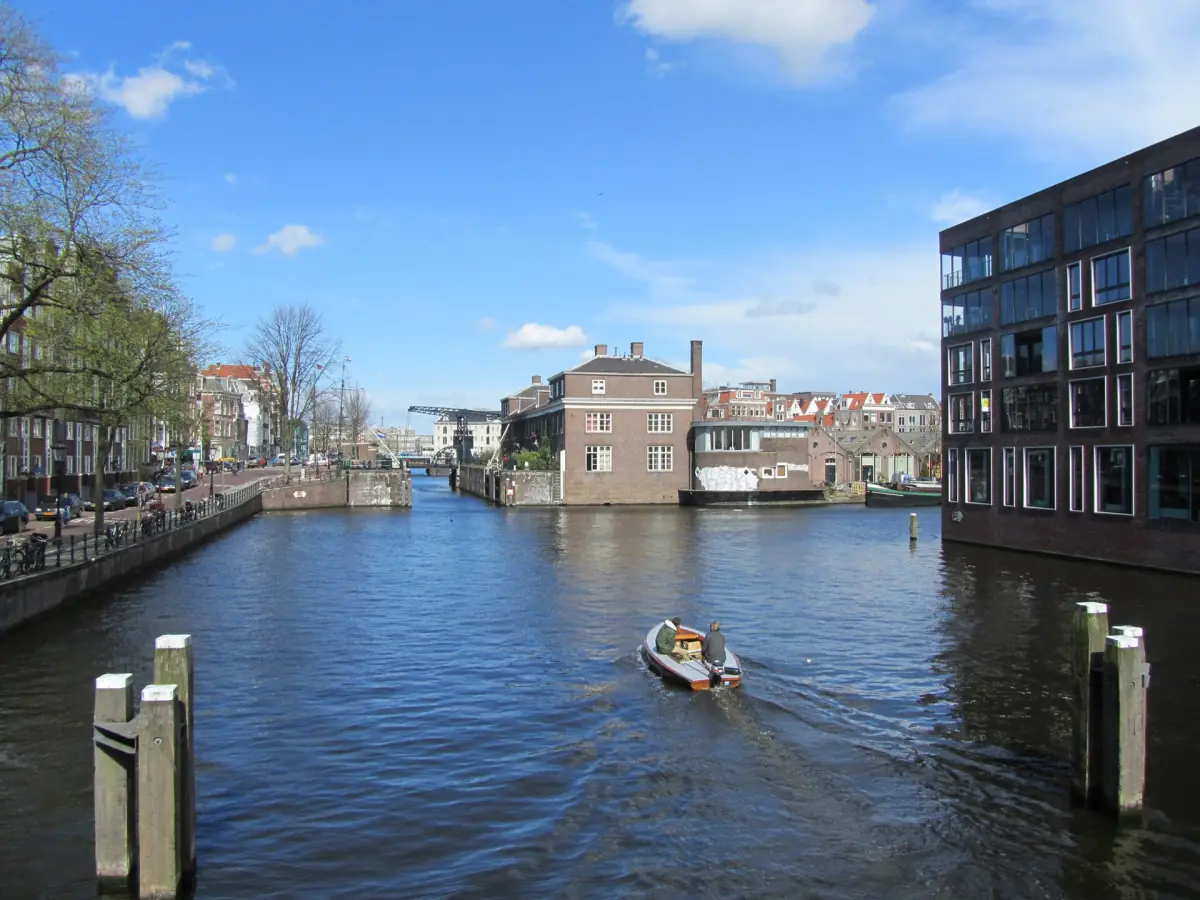
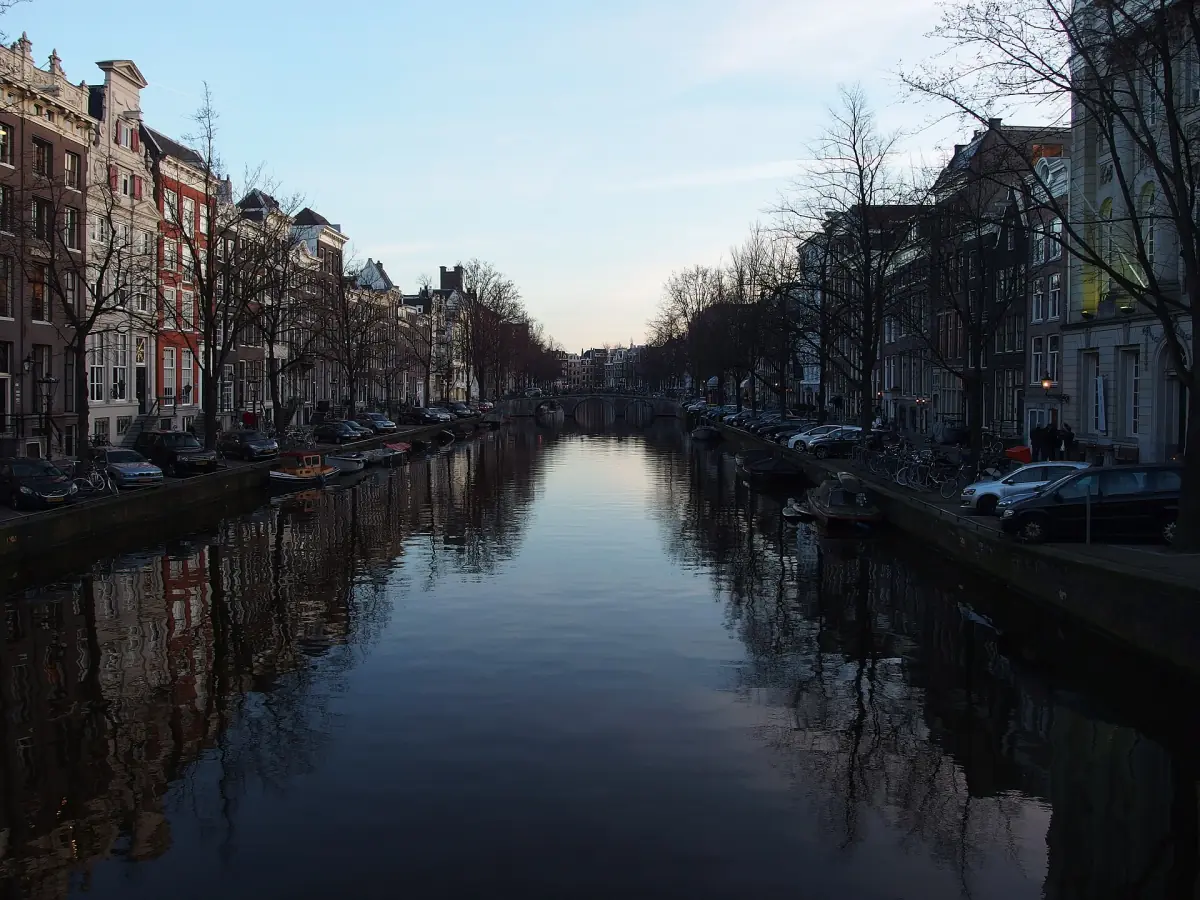
Amsterdam canal houses line the Herengracht, Keizersgracht and Prinsengracht, and the main building phase fell in the 17th century. The city planned the canal ring as an artificial port city, and the plots along the water were built up with houses. Many houses from the 17th and 18th centuries still stand, and the preserved lines of facades are part of the World Heritage listing of the canal ring.
The easiest way to enjoy them is on a walk or from the water. A canal cruise gives you a steady view of facades at eye level with the boat, while a walk along one canal lets you study single houses. The key to reading them is the gable.
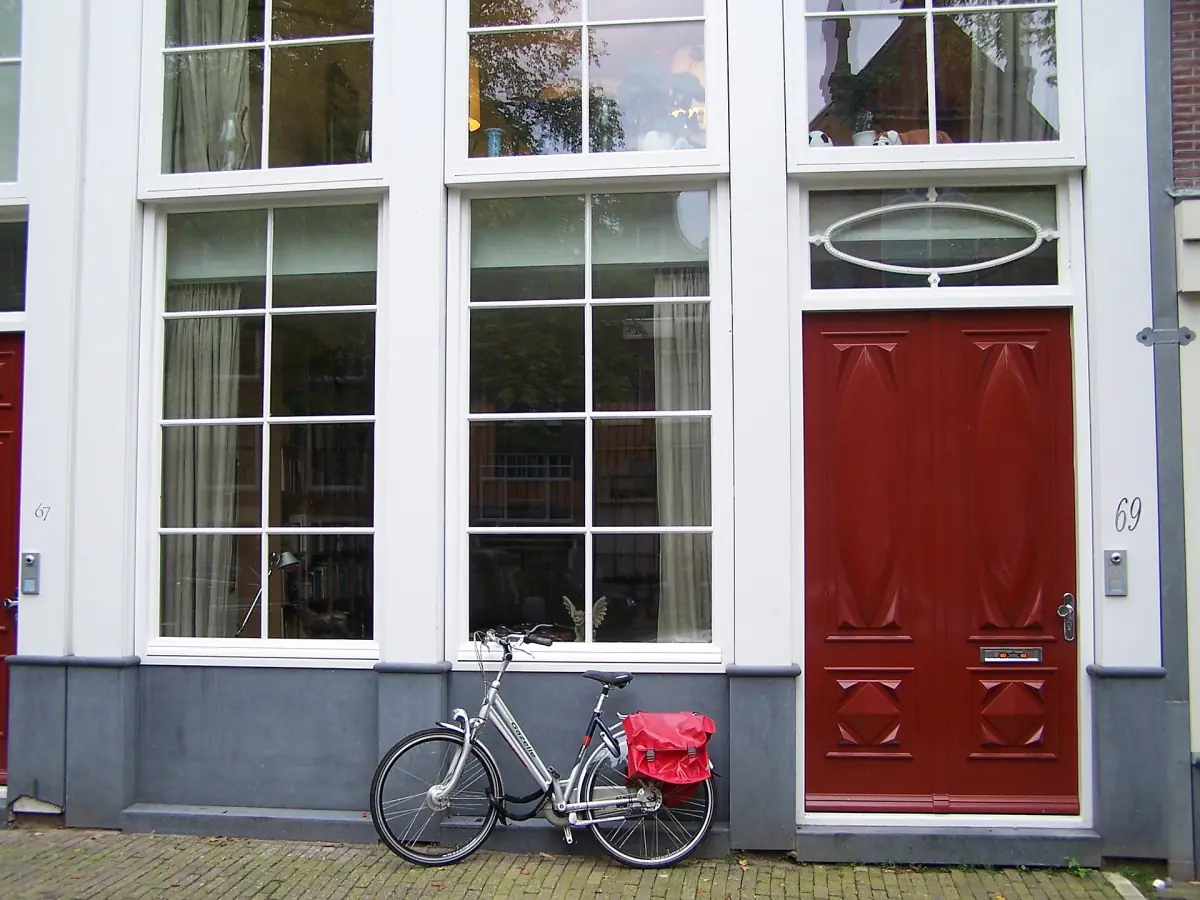
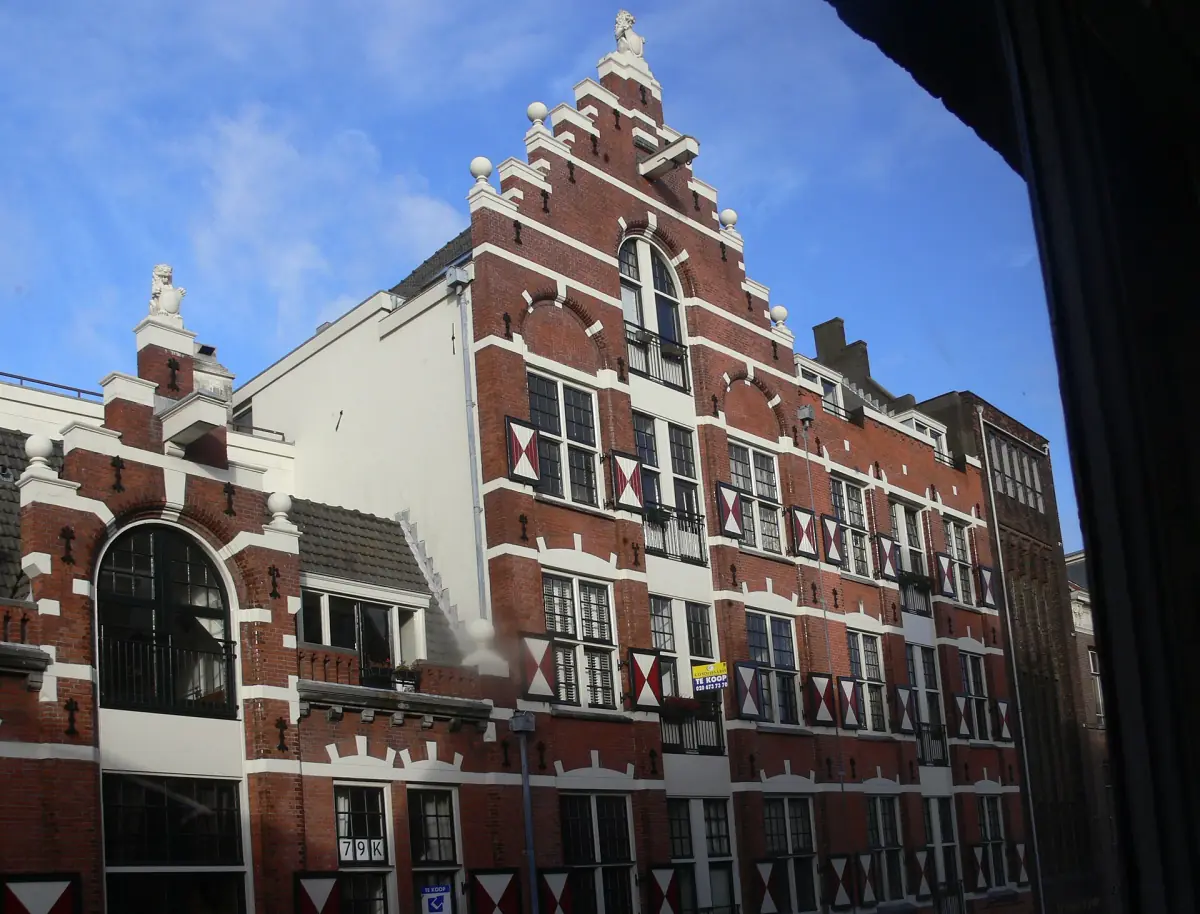
Four gable types and when they were built
Approximate periods for the typical Amsterdam gable shapes.
| Gable | Typical period | How to recognise it |
|---|---|---|
| Step gable | About 1600–1665 | Edges rise in steps up to the top |
| Spout (pointed) gable | About 1620–1720 | Narrow and pointed, often on warehouses |
| Neck gable | About 1640–1770 | A neck with right-angled sides below the top |
| Bell gable | About 1660–1790 | Rounded transitions, like the curve of a bell |
These periods are a guide, not a way to date one particular house. For most visitors, the simplest start is to compare the shapes in the table with the rooflines you see.
Our pick: a museum on a canal house street
The Museum of the Canals sits on the Herengracht and shows how the canal houses came to be.
Hand-picked tours, booked through GetYourGuide. Prices are indicative starting prices in euros (as of October 2026). Tap a tour for live availability and the current price in your currency.
Canal cruises and walks in Amsterdam
See canal houses from the water or on foot, with live prices and availability.
Merchant houses and warehouses
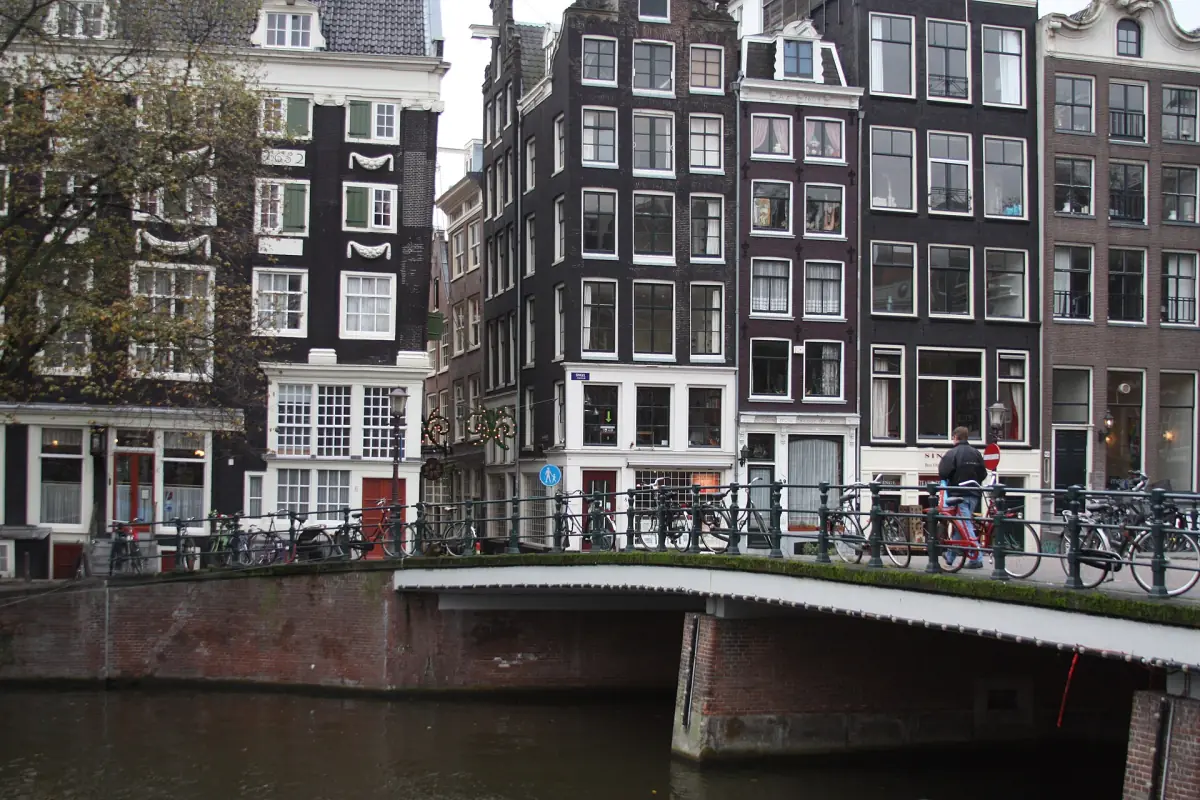
The canals were not all built for the same use. The Herengracht is mostly representative living, with grand houses for wealthy merchants and high officials. The Keizersgracht was planned in the same spirit. On the Prinsengracht you find more warehouse types, and on Uilenburg as well. Pointed gables suit warehouses especially well, so a Prinsengracht walk shows more of them.
Look at the top of a house for the work it once did. Later cornices sometimes have openings that give access to the hoist beam, a reminder of the working side of the canals.
The Herengracht page covers the Golden Bend, a stretch with particularly large town mansions that runs roughly between Leidsestraat and Vijzelstraat, though some descriptions place it from Koningsplein to Vijzelgracht. The Prinsengracht page covers the warehouse side.
Money, trade and the big houses
The capital for the large canal houses is linked to goods such as cocoa, sugar, coffee and tobacco from plantations that relied on enslaved labour. That does not mean every house stands on a single fortune from that trade, and visitors should not read it into each facade. It is part of the history of the district, covered in more detail in our history guide.
The district keeps its look because of how much has survived, but not every house you see is unchanged. Facades, tops and interiors were altered over the centuries.
Where to see canal houses on foot
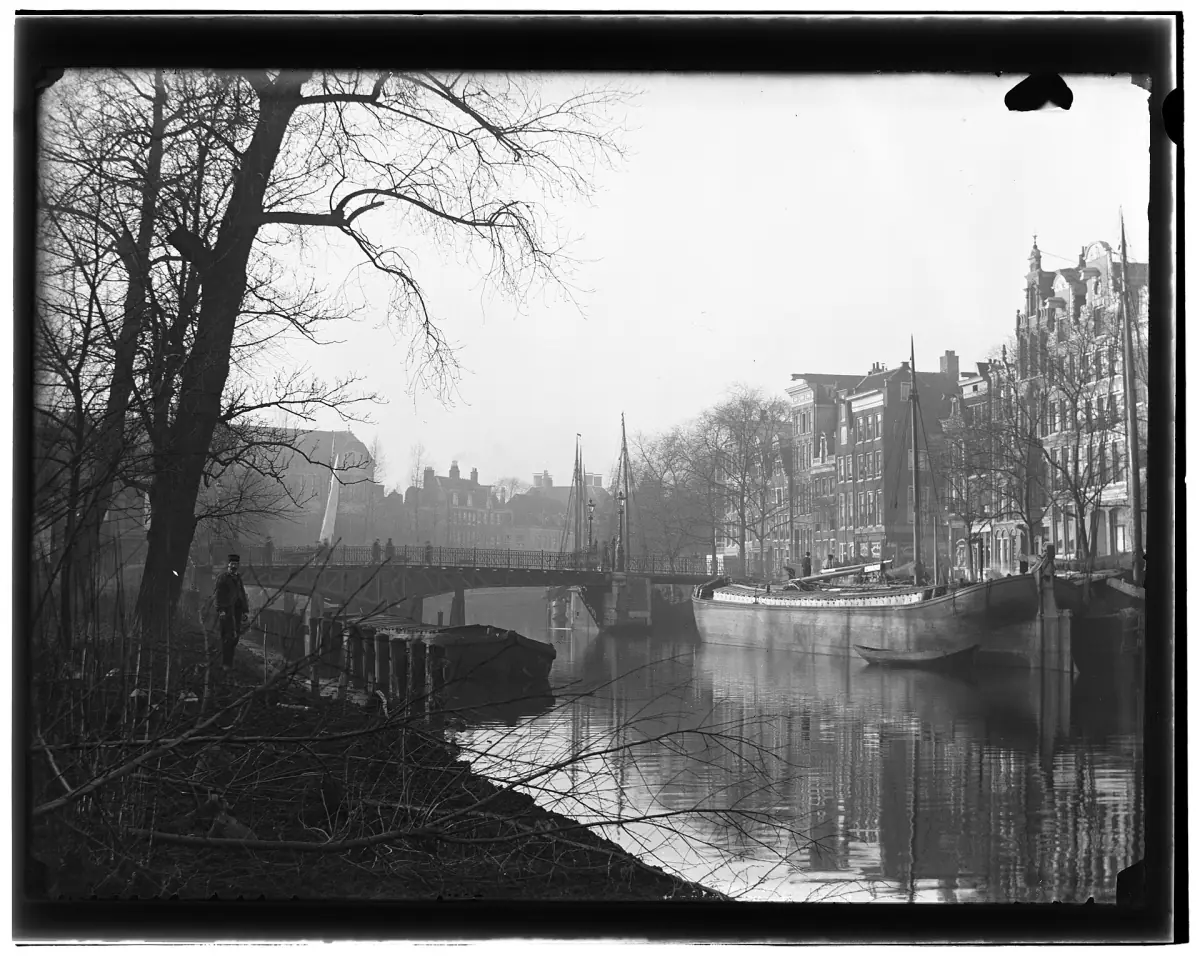
For grand houses, walk the Herengracht and Keizersgracht. For warehouse gables and a mix of uses, walk along the Prinsengracht. The canal ring page explains how the three canals fit together, and the bridges guide shows where to stop and look along the water.
The Nine Streets link canals with shops, monuments and canal-house museums. The Jordaan and Nine Streets guide has a route. Do not assume you can go inside: access to the gardens or interiors of merchant houses is not general, so enjoy them from the street and from the water. Hofjes, the courtyards you may spot behind gateways, are lived in, so keep voices low and respect any signs.
Plan the rest of your visit
More guides on the canal ring.
Amsterdam canal houses: frequently asked questions
What are the main gable types on Amsterdam canal houses?
Step gables (about 1600–1665), spout gables (about 1620–1720), neck gables (about 1640–1770) and bell gables (about 1660–1790). The periods are approximate.
Which canal is the main residential canal?
The Herengracht, which is mostly representative living. The Golden Bend, with especially large town mansions, is a stretch of it.
Which canal has more warehouses?
The Prinsengracht has more warehouse types, with pointed gables, than the Herengracht. Uilenburg also has them.
Are the houses really from the 17th century?
Many houses from the 17th and 18th centuries are preserved along the canal ring. Not every house you see is unchanged, because facades and interiors were altered over time.
Can I go inside an Amsterdam canal house?
Access to merchant houses is not general. Canal-house museums are the exception, and some are in the Nine Streets area. Hofjes are lived-in courtyards, so do not assume you can enter.